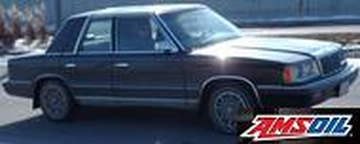
Engine Oil Maintenance for the 1983 Chrysler LeBaron 2.2L
Maintaining the lubrication system is one of the most critical aspects of preserving the longevity of a vehicle's engine. For owners of a 1983 Chrysler LeBaron equipped with the 2.2L engine, consistent attention to oil health ensures that internal components remain protected against friction and heat buildup.
How often should I change the oil in my 1983 Chrysler LEBARON 2.2L?
To determine the correct interval for an oil change, you should follow the owner's manual or the manufacturer maintenance schedule. Do not rely on estimated mileage or timeframes, as the specific requirements for your vehicle are defined by the original manufacturer documentation.
Understanding Engine Oil Viscosity
Viscosity refers to a fluid's resistance to flow. In an internal combustion engine, the oil must be thin enough to circulate quickly during a cold start but thick enough to maintain a protective film between moving parts when the engine reaches operating temperature. For this specific 1983 Chrysler LeBaron application, the database allows for 10W-30.
Using the correct viscosity helps ensure that the oil pump can effectively distribute lubricant to the upper valve train and lower crankshaft components. If the oil is too thick, it may not reach critical areas quickly enough during startup; if it is too thin, it may fail to provide an adequate barrier between metal surfaces under high heat.
The Role of the Oil Filter
Every time the engine oil is changed, the oil filter should be replaced. The filter is responsible for capturing contaminants such as microscopic metal shavings, carbon deposits, and dust that enter the lubrication system during normal operation. Over time, a filter can become saturated with debris, which restricts the flow of oil through the engine.
A clogged or inefficient filter can lead to increased pressure within the lubrication system or, in some cases, cause the bypass valve to open. When the bypass valve opens, unfiltered oil is sent directly into the engine to prevent total starvation, but this leaves internal components vulnerable to abrasive wear. Replacing the filter alongside the oil is a fundamental step in routine maintenance.
Monitoring Oil Levels and Condition
Regularly checking the oil level using the engine's dipstick is a simple way to monitor the health of your 2.2L engine. Low oil levels can lead to increased friction, overheating, and potential mechanical failure. If you notice that the oil level is dropping between scheduled services, it may indicate an external leak or internal consumption that requires inspection.
In addition to checking the quantity, observe the color and texture of the oil. While new oil is typically translucent, used oil will darken as it collects contaminants. If the oil appears milky or has a cloudy consistency, this can be an indication of moisture or coolant entering the lubrication system, which necessitates immediate professional diagnostic attention.
Identifying Potential Oil Leaks
Oil leaks can originate from various points on the engine block, such as the valve cover gasket, oil pan gasket, or the rear main seal. For a vehicle of this age, rubber gaskets and seals may become brittle or compressed over time, losing their ability to create a liquid-tight seal.
Common signs of a leak include dark spots on your driveway or a distinct smell of burning oil when the engine is hot. If oil drips onto hot exhaust components, it can produce smoke and unpleasant odors. Addressing small leaks early can prevent significant oil loss and protect other engine components from being coated in excess lubricant.
The Importance of Clean Lubrication
Engine oil does more than just lubricate; it also serves as a cleaning agent and a coolant. As the oil circulates, it picks up soot and combustion byproducts, carrying them away from sensitive surfaces and toward the filter. It also helps dissipate heat from areas of the engine that are not directly cooled by the radiator or coolant passages.
When oil becomes too old, its chemical additives—such as detergents and dispersants—begin to break down. Once these additives are depleted, the oil can no longer effectively suspend contaminants, leading to the formation of sludge. Sludge is a thick, gel-like substance that can block narrow oil passages and impede the movement of critical engine parts.
BUYING ENGINE OIL
When you are ready to purchase lubrication for your vehicle, ensure you select a product that meets the requirements for your specific application. Always check the container labels to confirm the viscosity matches what is recommended for your 1983 Chrysler LeBaron. When shopping, look for oils that provide the necessary protection for older engine designs and consider whether your driving habits require specific additive packages. Always refer back to your owner's manual to ensure any product you purchase aligns with the manufacturer's original specifications.